November 2025: Uttarakhand, India
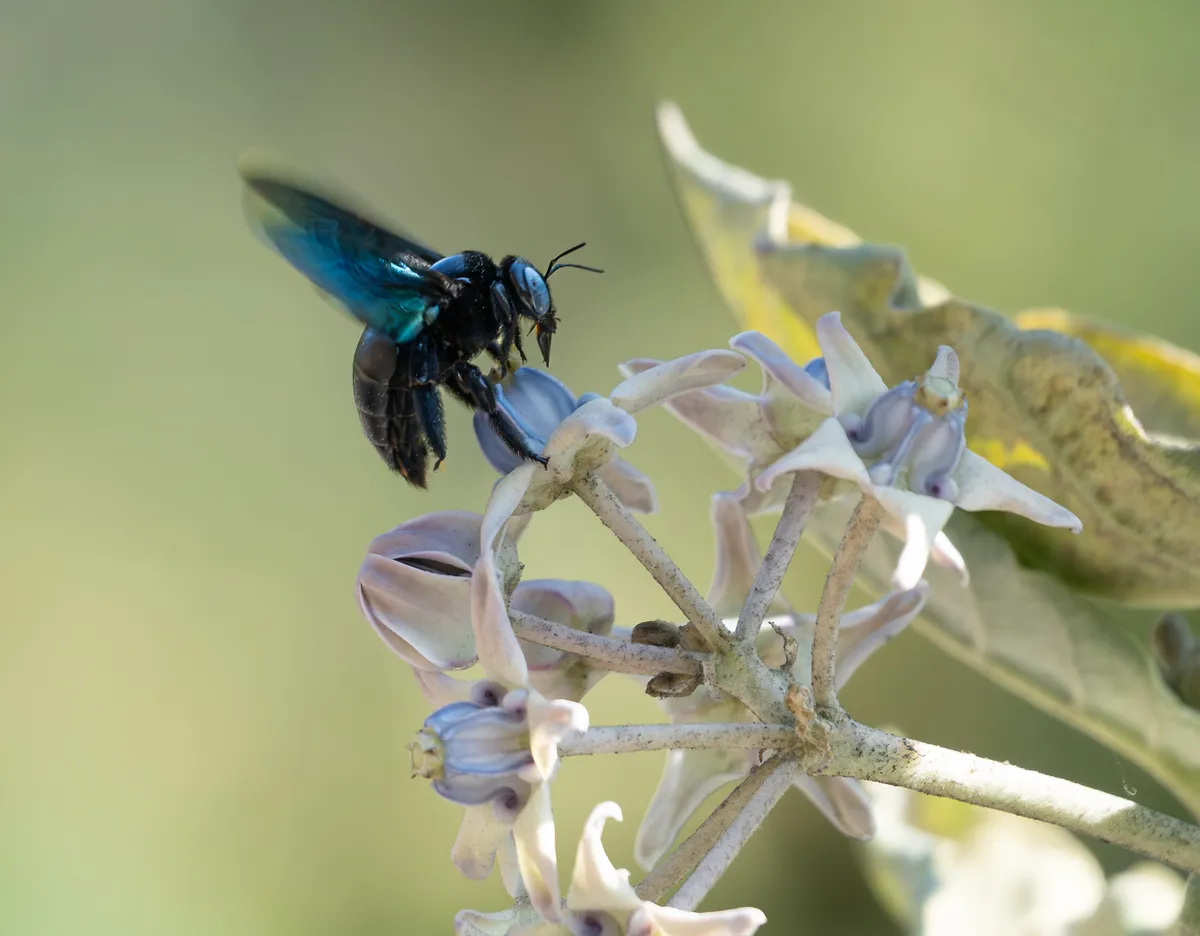
The picture above is of a carpenter bee in Uttarakhand, India. I wanted this picture to start this monthly update, because one thing that's been surprising to me about India has been all the new-to-me wild animals we get to see just randomly along the road. Including, this metallic turquoise black bee bobbing around in the air.
Have you ever tried to write without using the word I? This update was written today in a café, in my journal. It's shorter because falling farther behind can be demotivating. It's February. This is a November update. It seems, for me, it's now or never. Plus, constraints (like sticking within 1 journal page) in this case nurtured a sense of playfulness and clarity, not to mention approachability of the task at hand.
Previous monthly updates in this series:
August 2025
September 2025
October 2025
November 2025
New this month: Read in analog or in digital :-)
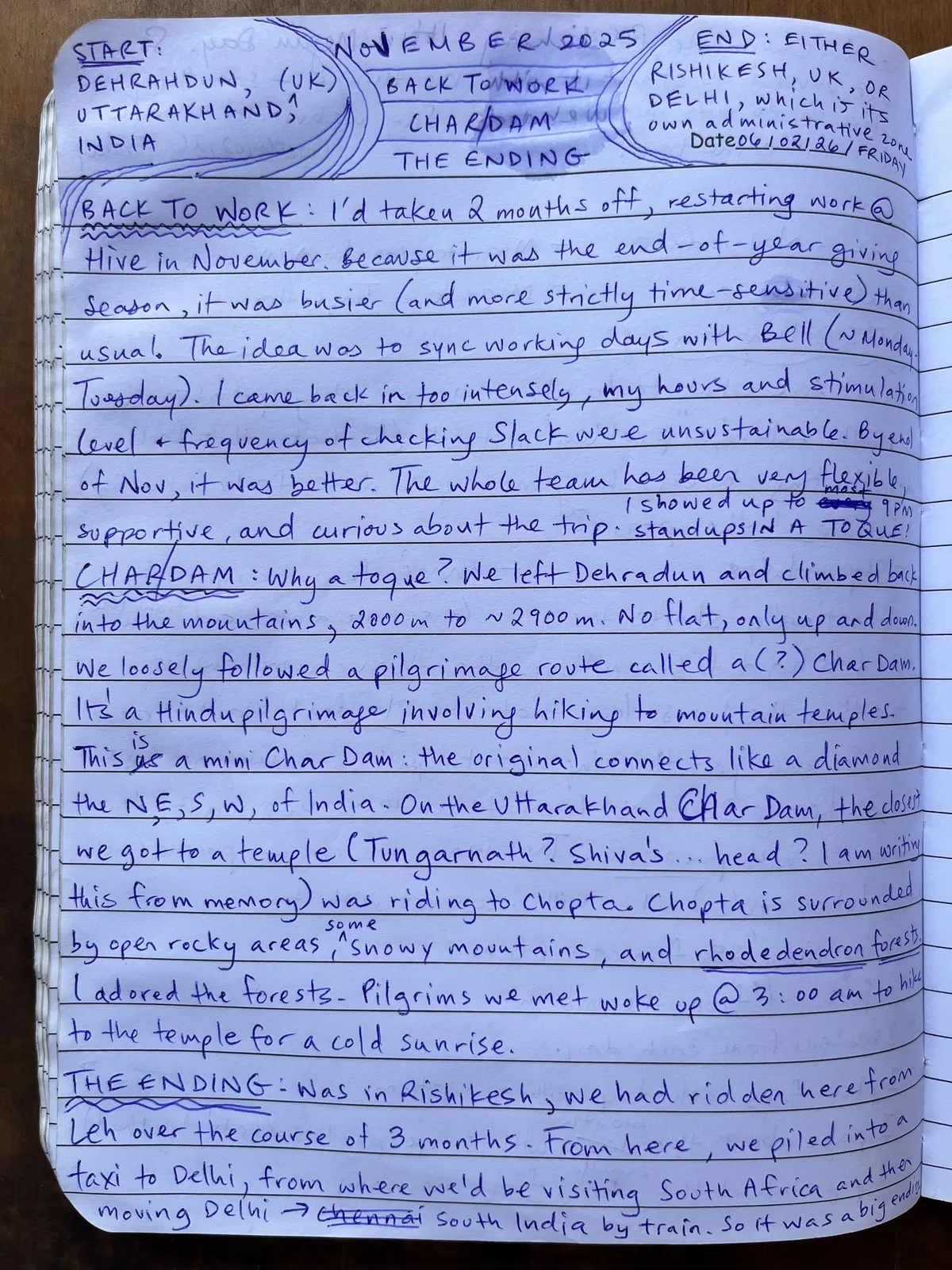
Start: Dehradun, Uttarakhand, India
End: Either Rishikesh (also in UK), or Delhi, which is its own administrative zone
Written date: February 6, 2026
Themes: Back to work /// Char Dam /// The ending
Back to work
I'd taken 2 months off, restarting work @ Hive in November. Because it was the end-of-year giving season, it was busier (and more strictly time-sensitive) than usual. The idea was to sync working days with Bell (~Monday-Tuesday). I came back in too intensely, my hours and stimulation level & frequency of checking Slack were unsustainable. By end of Nov, it was better. The whole team has been very flexible, supportive, and curious about the trip. I showed up to most 9 pm stand-ups IN A TOQUE!
Char Dam
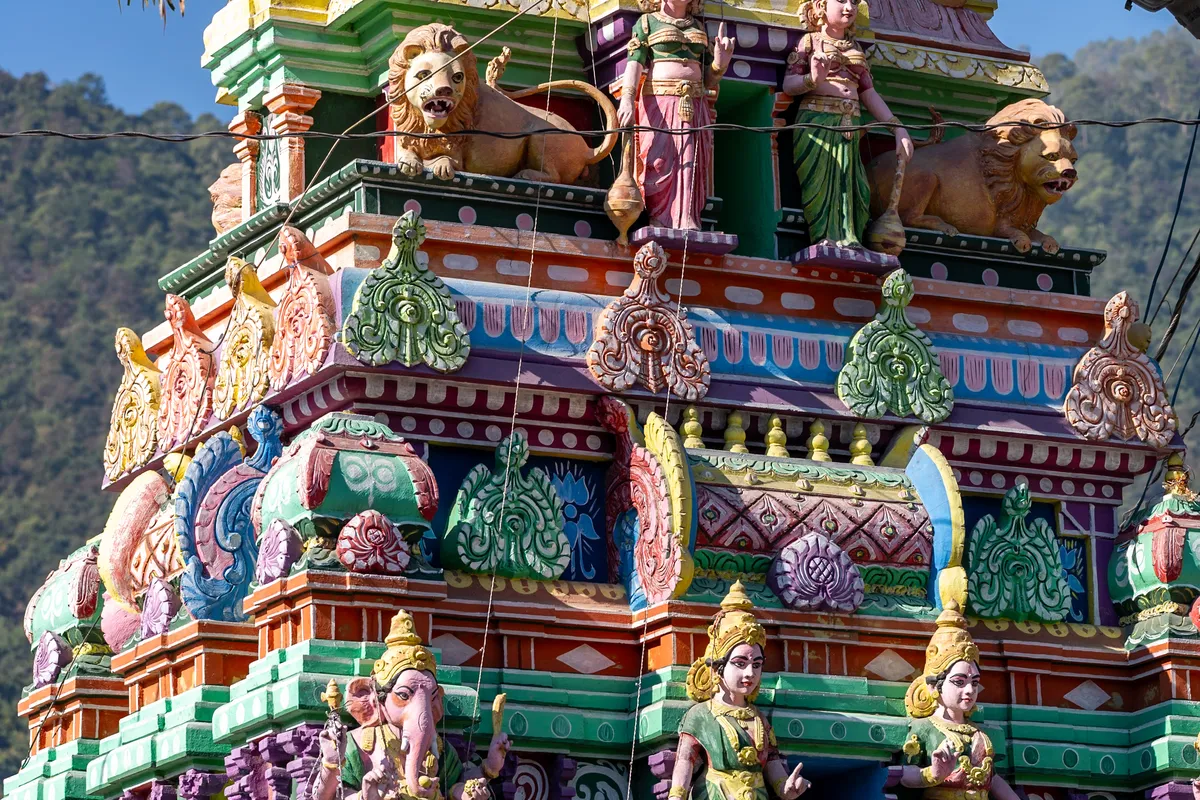
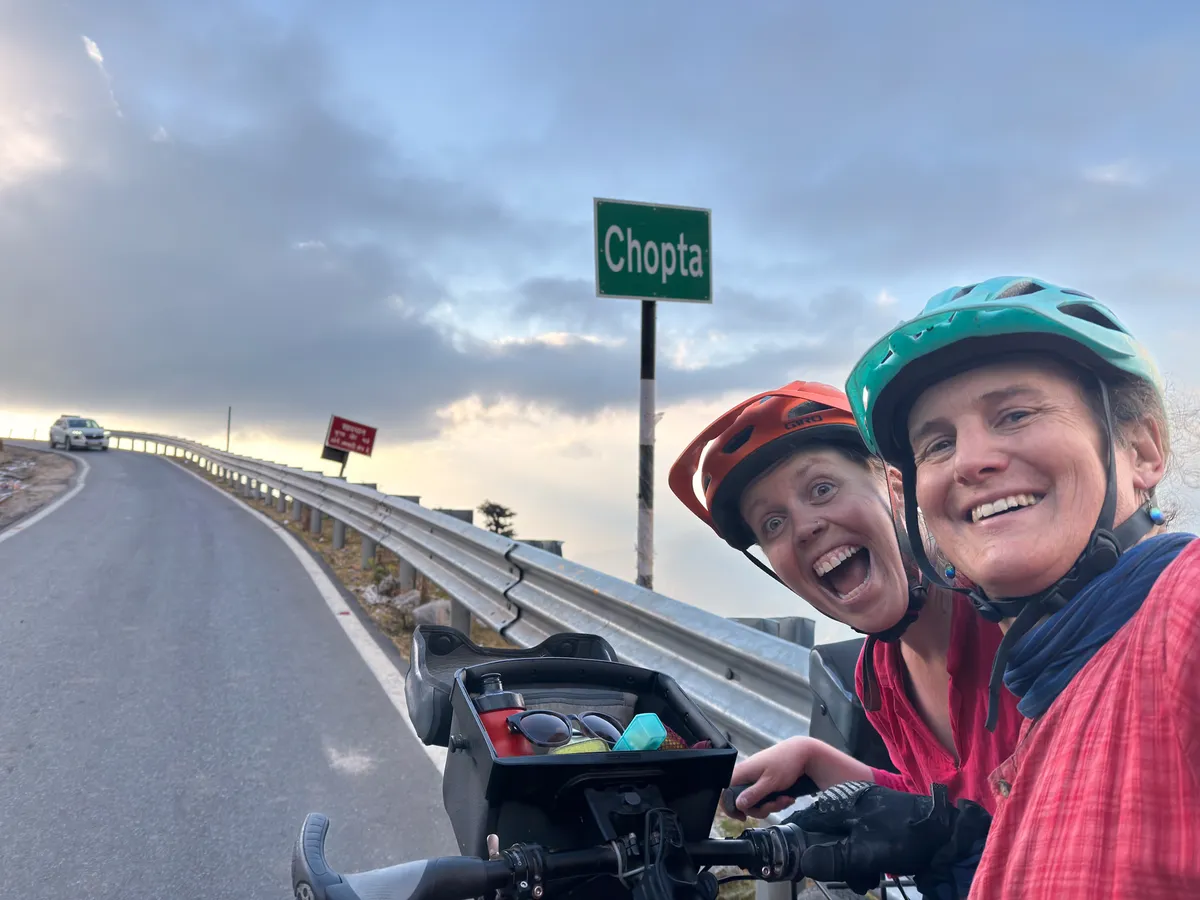
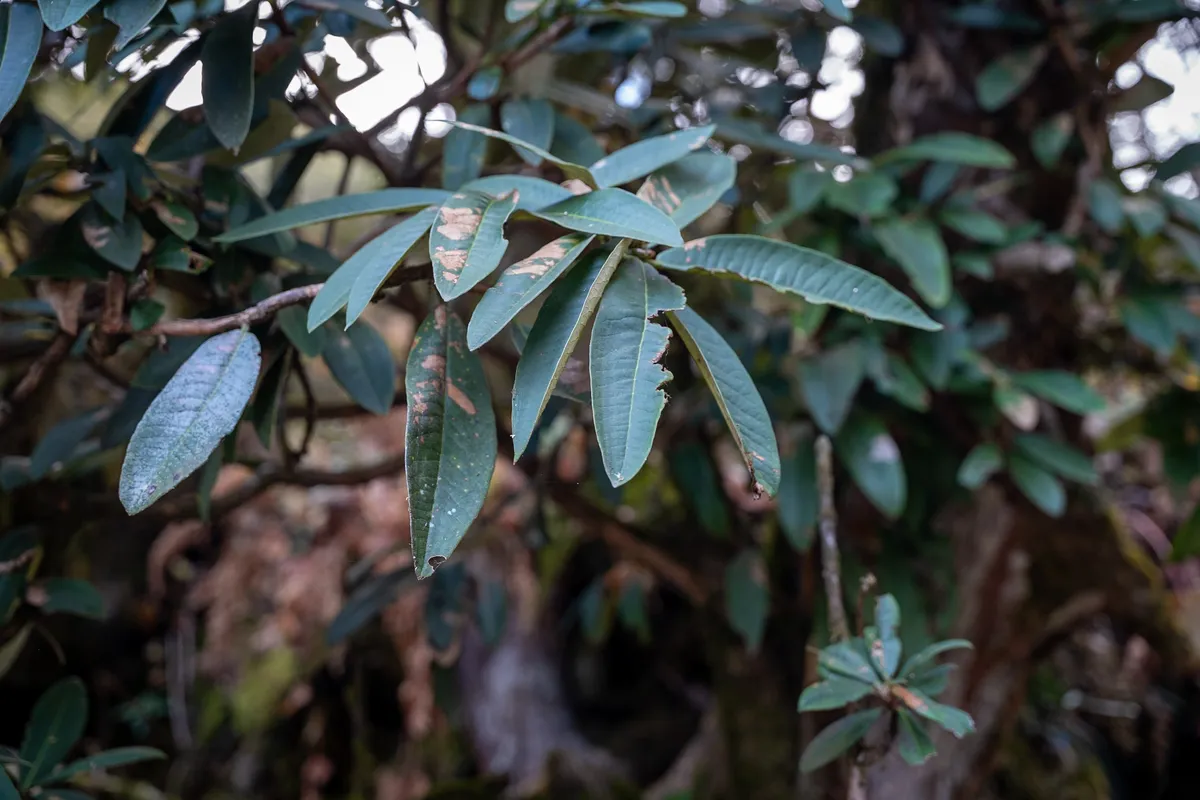
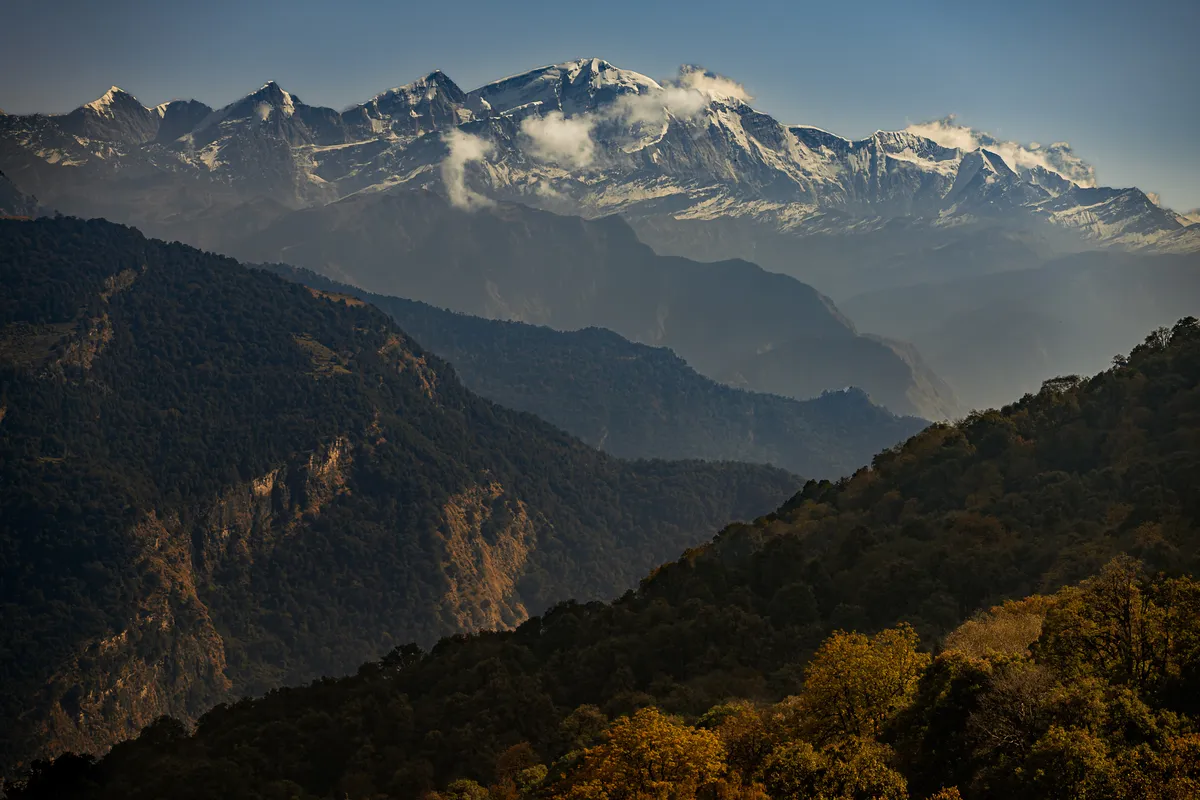
Why a toque? We left Dehradun and climbed back into the mountains, 2000 m to ~2900 m. No flat, only up and down. We loosely followed a pilgrimage route called a (?) Char Dam. It's a Hindu pilgrimage involving hiking to mountain templates. This is a mini Char Dam: the original connects like a diamond the N, E, S, W, of India. On the Uttarakhand Char Dam, the closest we got to a temple (Tungarnath? Shiva's...head? I am writing this from memory) was riding to Chopta. Chopta is surrounded by open rocky areas, some snowy mountains, and rhododendron forests. I adored the forests. Pilgrims we met woke up @ 3:00 am to hike to the temple for a cold sunrise.
The ending
Was in Rishikesh, we had ridden here from Leh over the course of 3 months. From here, we piled into a taxi to Delhi, from where we'd be visiting South Africa and then moving Delhi --> south India by train. So it was a big ending.
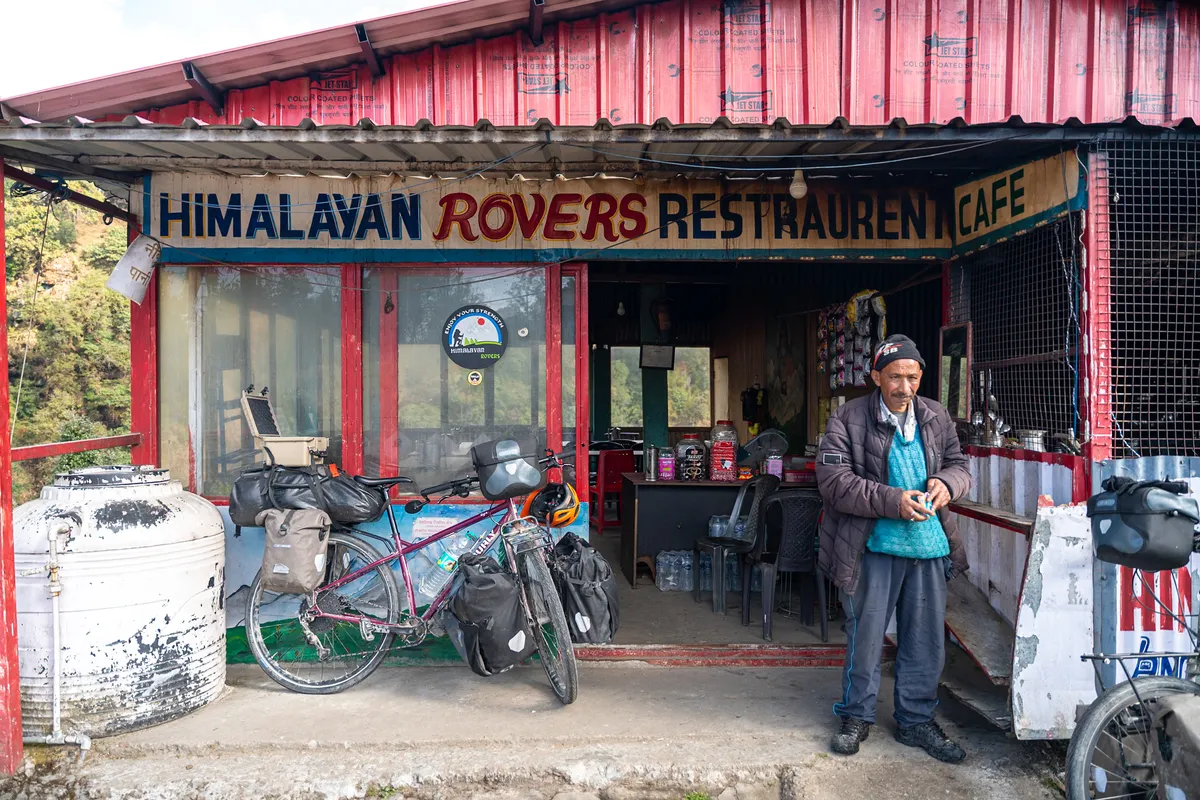
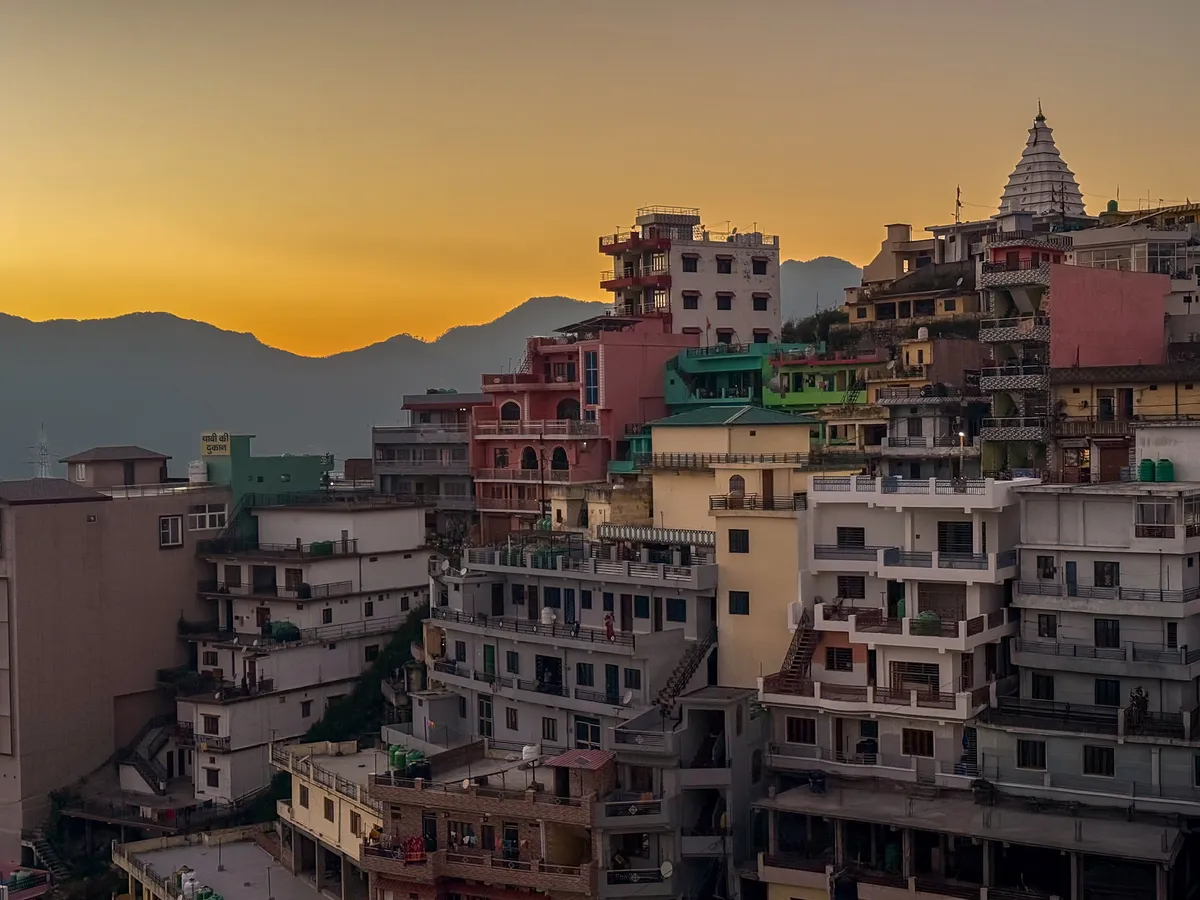
A few pictures from this month
Mini linkies section
Ask Polly on how to banish your shame: "wanting that for you is only possible because I'm not preoccupied with my own needs, my own fears, my own failures. That's what happens when shame is swept out of the picture repeatedly. Your focus shifts away from the anxious machine inside your skull and moves to your body, to the air, to the trees outside, to the people around you who might be suffering, who might need your love more badly than they're willing to show."
A six-question interview with Indonesian animal advocate Fasya Yuriza Yahya on opportunities and challenges for helping farmed animals in Southeast Asia. I am sharing this because I deeply believe in the necessity of advocacy that is culturally grounded. By culturally grounded, I mean efforts to be the reasonable interlocutor by understanding people's realities, affording them respect and curiosity, and meeting them where they are at. I believe this can be effective, as long as (and it's a big caveat) it's balanced with real and persistent efforts for change. Meeting people where they are at and also advocating for change can feel like a tough balance. So let's all remember that, as Fasya says, "all truths are blasphemous at first." What a quote!
I have thought about the idea of being a "reasonable interlocutor" literally weekly since I first heard it, in this interview with Kwame Anthony Appiah on Philosophy Bites: "People who recognize that you take them seriously, that you wanna understand their arguments, that you respect their right to be participants in a conversation about these things, are more likely to see you as a reasonable interlocutor, as someone who might have a point. And so they’re more likely, I think, to be persuaded." I've listened to the short podcast episode a handful of times, and I heartily recommend it for anyone grappling with how to balance honouring diversity while advocating for a better world for everyone.